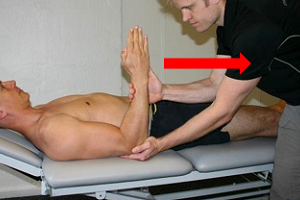
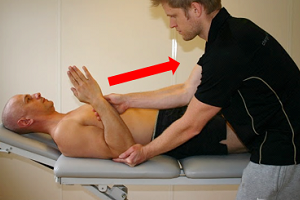
Client is supine with the elbow in a 90 deg. flexion and forearm in a neutral rotation. Stabilize the elbow and apply pressure around the wrist area towards elbow extension – Trying to pull the forearm away from the humerus.
Septal part
Client is supine with the elbow in full flexion and forearm in a neutral rotation. Stabilize the elbow and apply pressure around the wrist area towards elbow extension – Trying to pull the forearm away from the humerus.
Functional anatomy for
Brachioradialis
Organ relationship (T2-L2, Sacrum, n. Vagus)
Lungs (AK)
Symp – T2-T6 (Pulmonary plexus)
Parasymp – CX (Vagus)
Stomach (AK)
Symp – T5-9 (Celiac plexus)
Parasymp – CX (Vagus)
Small intestine (AK)
Symp – T5-12 (Celiac and superior Mesenteric plexus)
Parasymp – CX (Vagus)
Kidneys (AK)
Symp – T10-L2 (Renal plexus)
Parasymp – None (CX minimal)
Reproductive organs (AK)
Symp – T10-L2 (Inferior Hypogastric, Ovarian and Testicular plexus)
Parasymp – S2-4 (Sacral plexus)
Associated muscles
Trapezius –
Deltoid –
Biceps brachii – Elbow flexion and control of elbow and Radioulnar joints
Brachialis – Elbow flexion and control of elbow joint
Pronator teres – Elbow flexion and control of elbow and Radioulnar joints
Ready to Master the JLGO Method and Get Dramatically Better Patient Outcomes?
Join the waitlist and secure exclusive early access to the online master course!
The JLGO method helps skilled therapists locate the root cause of pain in just a few steps — they learn how to create spontaneous and noticeable change with their clients in each session and how to achieve their rehab goals faster than ever before.
Imagine having the complete system: all the video demonstrations, proven protocols, expert support, and community — so you can deliver life-changing results and build the thriving practice you deserve.
Spots are strictly limited — priority access is given to those who join the waitlist today!